What Is Customer Lifetime Value—and Why It Matters
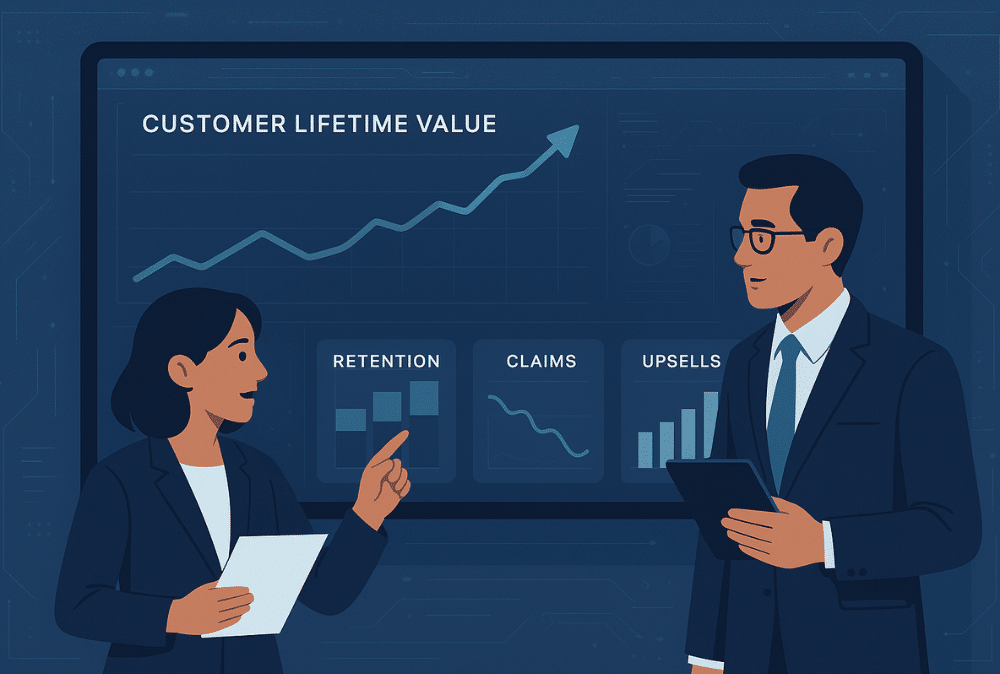
Customer Lifetime Value (LTV) measures how much total revenue a customer generates for your brand over their entire relationship with you. For OEMs and retailers, it’s the heartbeat of long-term profitability—especially in industries with high acquisition costs.
According to Harvard Business Review, increasing customer retention by just 5% can boost profits by 25–95%.
Warranties directly influence LTV because they extend the customer journey beyond the initial purchase. Every warranty registration, renewal, or claim creates another opportunity for engagement and brand trust.
How Warranties Extend the Customer Relationship
A well-designed warranty is more than a piece of paper—it’s a post-sale bridge that connects your customer to your brand long after the transaction.
Here’s how:
-
Retention through reassurance: Customers who feel protected are less likely to churn.
-
Data-driven remarketing: Warranty registration unlocks verified customer data.
-
Upsell opportunities: Extended coverage or premium service add-ons drive incremental revenue.
With an All Shield white-label warranty program, brands can stay connected with buyers via branded portals, automated renewals, and transparent claim experiences.
The Data: How Product Protection Affects LTV
The numbers speak for themselves. Retail and OEM studies show a clear correlation between product protection and long-term value:
-
According to Deloitte Insights, 88% of customers who trust a brand will buy again—and trusted companies can outperform competitors by up to 400% in market value. (Deloitte Insight Report).
-
Brands offering extended warranties report an average 7–9% lift in LTV within 12 months of program activation. (source)
-
81% of customers say a positive warranty claim experience makes them more likely to purchase from the company again or recommend it to others. (getmulberry.com)
When managed well, warranties transform from cost centers into relationship engines.
The ROI of Offering Warranties
Offering warranties doesn’t just protect customers—it protects margins. Here’s why:
-
Warranty upsells offset acquisition costs.
-
Longer engagement cycles drive subscription-like recurring revenue.
-
Claim data helps predict product issues and improve quality assurance.
For instance, an OEM that introduces an embedded warranty API can automatically offer coverage during checkout, increasing attach rates by 15% and boosting LTV by 7%.
Explore how All Shield supports OEM integrations:
Warranty API Integration for B2B Product Leaders

How All Shield Helps Brands Increase LTV Through Warranties
All Shield builds white-label, fully compliant warranty programs designed to retain customers and increase post-sale value.
With All Shield, you can:
-
Use real-time claim analytics to identify at-risk customers and re-engage them.
-
Launch automated renewals and upsells through your branded portal.
-
Ensure compliance with PIPEDA, FSRA, and Quebec Bill 64.
The result? Higher LTV, stronger loyalty, and measurable retention ROI.
Case Study: How an OEM Increased LTV by 8% With All Shield
A mid-sized appliance OEM approached All Shield to improve retention and after-sale engagement. They implemented an embedded warranty solution with bilingual support.
The results:
-
Warranty attach rate increased by 42%.
-
Product registration volume grew by 33%.
-
Customer LTV rose by 8% within six months.
The OEM also used All Shield’s analytics dashboard to identify upsell triggers, transforming warranty claims into remarketing opportunities.
Key Takeaways
-
Yes, warranties increase customer lifetime value (LTV)—by keeping customers engaged and giving them peace of mind.
-
They turn reactive service into proactive relationship-building.
-
Every warranty claim is an opportunity to retain, not just repair.
-
With All Shield, you can automate and scale warranty-based retention strategies across North America.
FAQ: Warranties and Customer LTV
1. How can I measure LTV uplift from warranties?
Track attach rate, claim resolution satisfaction, and repeat purchase data within All Shield’s dashboard.
2. Do extended warranties really affect repeat purchases?
Yes. Warranties reduce friction, making customers more likely to repurchase or renew coverage.
3. What industries see the biggest LTV boost?
Consumer electronics, smart home, and appliance manufacturers see the most measurable impact.
4. How does All Shield track warranty ROI?
Through analytics dashboards that monitor claims, attach rates, and lifetime value metrics.
5. Is warranty revenue considered recurring revenue?
Yes—extended and renewal warranties often behave like recurring revenue streams.
6. How do warranties impact brand perception?
Transparent warranties improve trust, which directly influences repeat purchasing behavior.
Ready to Boost Customer Lifetime Value With Warranties?
If you’re ready to turn warranties into a growth engine, All Shield can help.
Our platform empowers OEMs and retailers to create bilingual, compliant, and data-driven warranty programs that boost LTV and retention—without extra overhead.
📞 1 888 406 4545
🏢 1275 North Service Road W, Suite 605, Oakville, ON L6M 2W2
📧 contact@allshield.co
👉 Learn more about our White-Label Warranty Platform or Book a Demo.
All Shield — powering trust, retention, and revenue after the sale.