In an increasingly competitive post-sale economy, product coverage isn’t optional — it’s expected. But while “extended warranty” and “product protection” are often used interchangeably, they aren’t the same thing.
Whether you’re an OEM bundling coverage, a retailer selling protection plans, or a dealership evaluating revenue streams, understanding this distinction is critical for compliance, conversions, and customer trust.
Let’s break it down.
Why This Distinction Matters in 2025
The terms you use — and how you structure them — don’t just impact marketing clarity. They shape your exposure to:
-
Regulatory risk
-
Customer experience failures
-
Misleading advertising claims
Using the wrong label can lead to consumer confusion, failed claims, and legal exposure — especially in markets like Quebec, Ontario, and California. If you’re selling coverage today, your terminology needs to match your terms.
What Is an Extended Warranty?
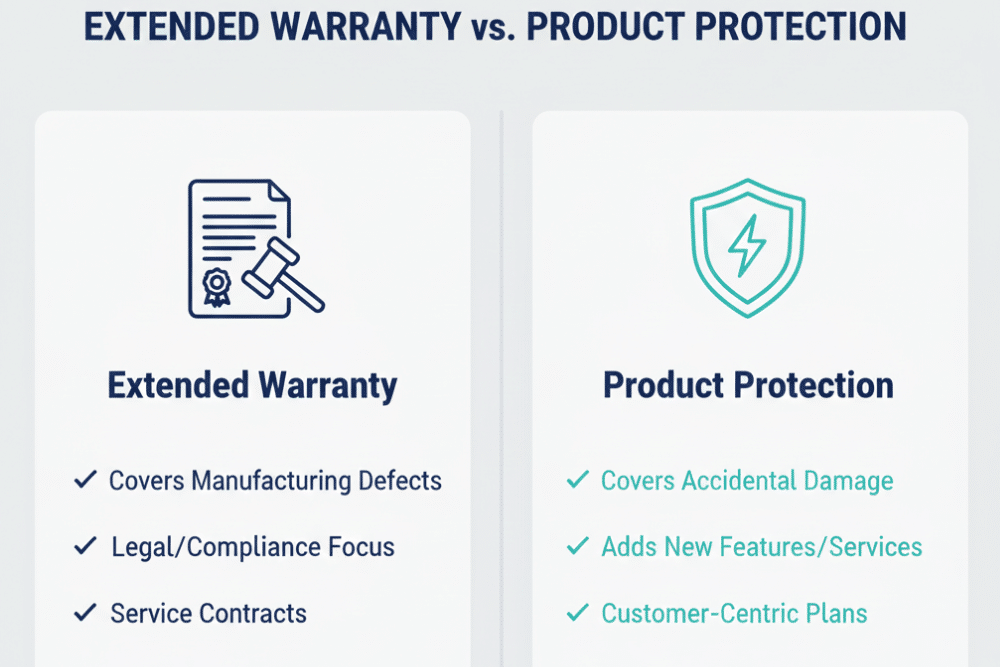
An extended warranty is a legally defined agreement that adds time or additional coverage beyond the manufacturer’s original promise.
Here’s how it typically works:
-
Starts after the OEM warranty ends
-
Covers defects in workmanship or materials
-
May be offered by the manufacturer, a third-party administrator, or a white-label partner
-
Comes with specific FTC disclosure requirements in the U.S.
For a deep dive, see:
👉 What is an Extended Warranty? Definitions, Terms and Common Myths
Extended warranties are regulated under service contract laws, particularly in states like California and provinces like Ontario.
What Is Product Protection?
Product protection is a broader, more flexible term used in eCommerce and retail. It may include:
-
Accidental damage
-
Loss or theft
-
Power surge or environmental damage
-
Bundled premium support services
It’s often marketed at point-of-sale, embedded in checkout flows, or layered onto subscription models.
If you’re selling through digital channels, check out:
👉 How to Offer Product Warranties as a Retailer or OEM
Key Differences at a Glance
Here’s a side-by-side comparison to clarify:
| Feature | Extended Warranty | Product Protection |
|---|---|---|
| Legal Definition | Yes (regulated) | No (marketing-driven) |
| Accidental Damage Coverage | Rarely | Often |
| Regulated? | Yes | Sometimes |
| When Offered | Post-sale (after OEM warranty ends) | Pre-sale or embedded |
| Common Channels | OEMs, Dealerships | Retail, eCommerce |
Why the Terms Are Blending in Modern Warranty Models
The rise of embedded warranty platforms and SaaS integrations means companies can now combine both types of coverage — and offer them as:
-
Tiered plans (Basic, Plus, Premium)
-
Bundled with registration or checkout
-
Modular options inside customer portals
But while the offer is seamless, your language must still match the legal definition. Using “warranty” for non-compliant coverage can trigger issues with the FTC or provincial regulators.
For guidance on compliant UI/UX flows, check:
👉 Consent-First Warranty Journeys: Building Trust Through UX and Bilingual Flows
Which One Should You Offer?
Here’s how to decide based on your business model:
For OEMs
Start with an extended warranty that builds confidence in product quality. Then offer product protection tiers for accidental or environmental damage.
For Retailers
Offer modular protection plans — especially if you’re in electronics, furniture, or appliances. Bundle higher-value services to increase average order value.
For Auto Dealers
Stick to the legal framework: extended warranties for powertrain and vehicle systems must be clear and compliant. Use consumer-friendly add-ons like tire & wheel protection or paint coverage under the “protection” label.
Compliance Considerations
Clarity isn’t just best practice — it’s law.
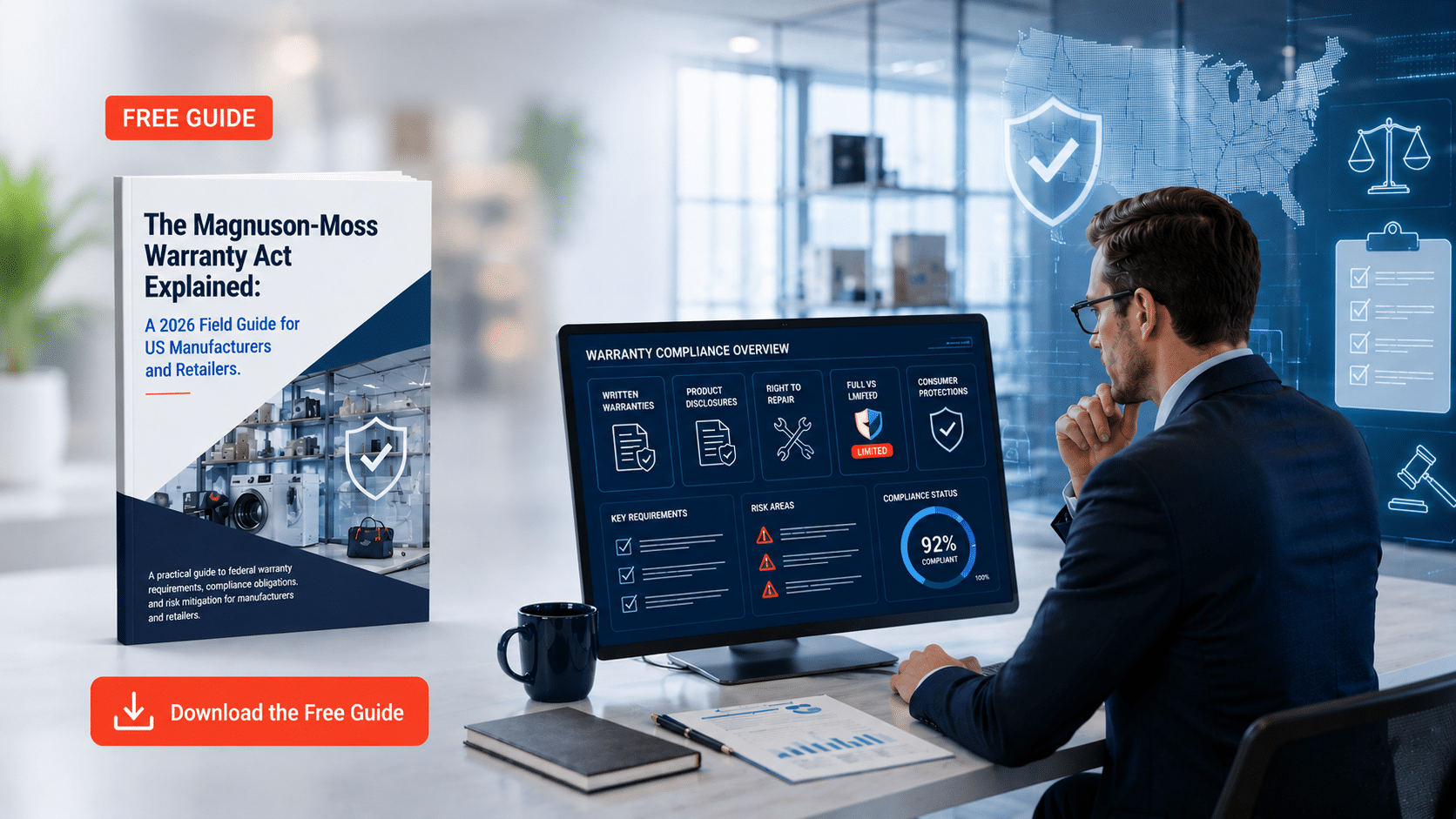
In the United States, extended warranties fall under the Magnuson-Moss Warranty Act, requiring pre-sale disclosures and contract transparency.
👉 FTC Warranty Disclosures 2025: What Businesses Need to Know
In Canada, you must consider:
-
FSRA service contract rules (Ontario)
-
PIPEDA for customer data compliance
-
Quebec Bill 64, which requires French-language contracts and privacy clarity
👉 Do I Need to Follow Quebec Bill 64 for Warranties?
Your contracts, disclosures, and landing pages should align with both language and jurisdiction.
Conclusion: Call It What It Is — And Build It Right
Warranty programs are evolving fast. With embedded platforms, bilingual flows, and multi-region compliance now table stakes, what you call your offering could determine how well it converts — and whether it holds up under scrutiny.
All Shield works with OEMs, retailers, and dealers across North America to:
-
Build bilingual, compliant programs
-
Bundle warranty and protection options
-
Integrate with eCommerce, POS, and CRM systems
-
Stay ahead of FTC and FSRA shifts
✅ Need help labeling or launching your coverage strategy?
Let us run a Clarity Audit on your terms, disclosures, and customer flow.
👉 Book a Compliance Check or Demo