Introduction: Stop Selling Warranties. Start Designing Them to Sell Themselves.
Your frontline teams are already under enough pressure—shrinking margins, rising expectations, and relentless competition. The last thing they need is to feel like they’re forcing warranty sales on hesitant customers. Here’s the truth: when it comes to warranties, how you present the offer matters more than how aggressively you push it.
Retailers who understand behavioral economics for warranty programs are creating systems where attachment rates grow naturally—no pressure, no gimmicks. These are warranty strategies rooted in human psychology: people protect what they own, avoid friction, and respond to smart defaults. When you align your warranty program with how people make decisions, it sells itself.
Quick Summary
Behavioral economics shows that warranties don’t have to be pushed—they can be designed to sell themselves. By reducing friction, using defaults, and framing offers with trust and simplicity, retailers increase warranty attachments, margins, and loyalty—all without relying on discounts or pressure tactics.
Why Warranties Often Feel Like a Hard Sell (But Shouldn’t)
Common Retail Mistakes in Selling Warranties
Too often, warranties are treated as awkward add-ons:
-
Offered at the wrong moment (too late or too early)
-
Pitched with generic language (“You might need this someday…”)
-
Bundled with discounts that erode trust and margins
These tactics create resistance, not results. Customers don’t want pressure—they want clarity and confidence.
The Problem with Discounts, Pressure, and Pushy Tactics
Pushing harder usually leads to:
-
Decreased customer trust
-
Lower satisfaction scores (NPS, CSAT)
-
Increased return rates
Customers sense when a warranty is pitched purely for profit. What they respond to is confidence, simplicity, and alignment with their own risk mindset.
Why Trust, Timing, and Simplicity Drive Attachments
Behavioral science shows:
-
Trust increases when offers feel aligned to customer needs.
-
Timing matters—right after a purchase decision, customers are most receptive to protection.
-
Simplicity wins. Too many options decrease likelihood to choose any.
Ready to Turn Behavioral Science Into Revenue?
Book a consultation to learn how All Shield helps retailers leverage behavioral economics to boost warranty attachment rates, loyalty, and margin—without adding sales pressure.
What Behavioral Economics Teaches About Selling Protection Programs
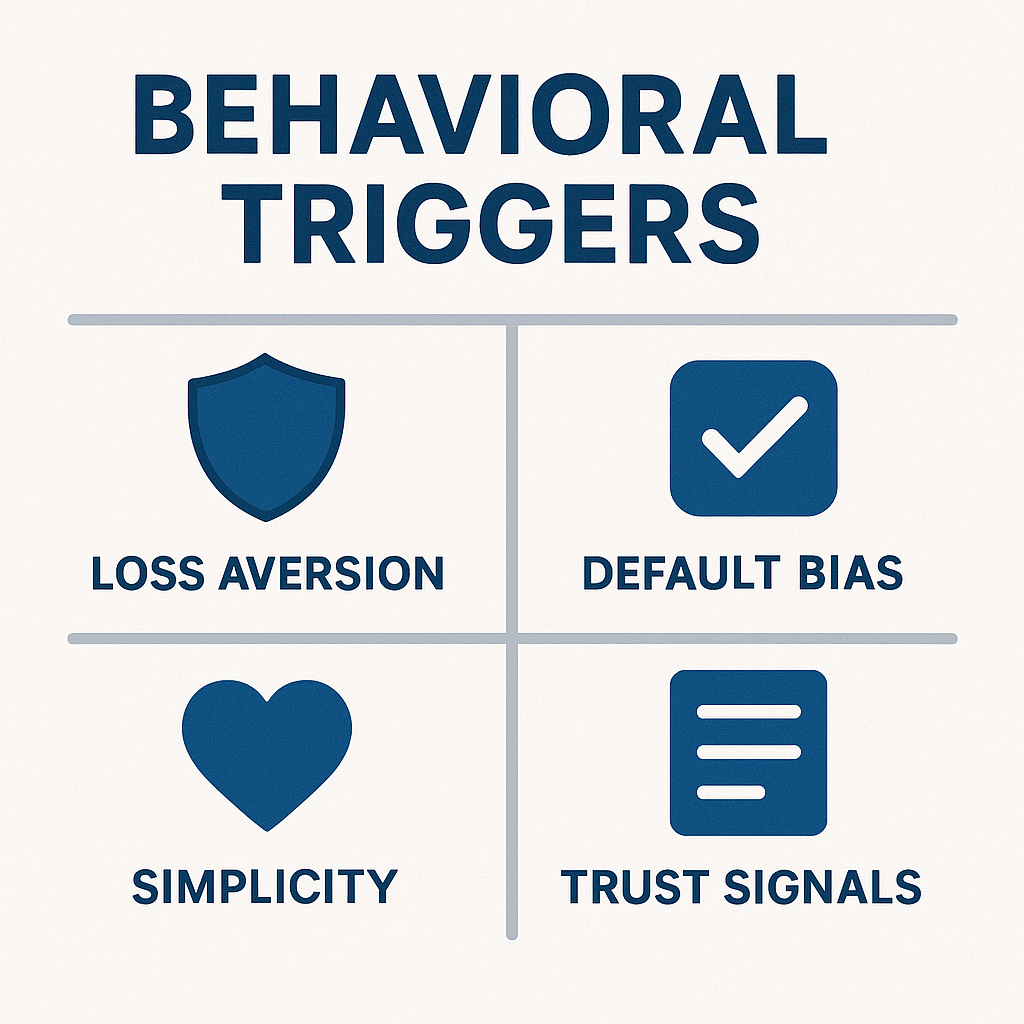
Loss Aversion: Why People Protect What They Already Own
Humans fear loss more than they seek equivalent gain (Kahneman, Tversky). Once someone buys, they’re psychologically invested. Warranties framed as protection for what’s theirs tap into this instinct.
Example:
✔ “Protect your investment from day one” feels safer than “add extended coverage.”
Friction Theory: Reducing Steps Increases Conversion
Every click, every additional question adds cognitive load. Retailers that embed warranties directly into checkout—pre-selected, opt-out rather than opt-in—reduce friction and boost conversions.
Choice Architecture: How Presentation Shapes Decisions
How you structure choices affects outcomes.
-
Default options sell more than optional add-ons.
-
Clear, concise language beats legal jargon.
-
Anchoring prices (“normally $299, included here for peace of mind”) drives value perception.
Why Behavioral Economics Outperforms Traditional Warranty Selling
| Approach | Traditional Warranty Selling | Behavioral Economics Approach |
|---|---|---|
| Sales Tactic | Discount-driven upsells | Embedded, default offers |
| Customer Experience | Feels pushy or optional | Feels natural and protective |
| Conversion Impact | Inconsistent, incentive-dependent | Steady, uplift from defaults and framing |
| Revenue & Margin | Erodes margin through discounts | Protects margins through smarter CX |
Designing Warranty Programs That Sell Themselves
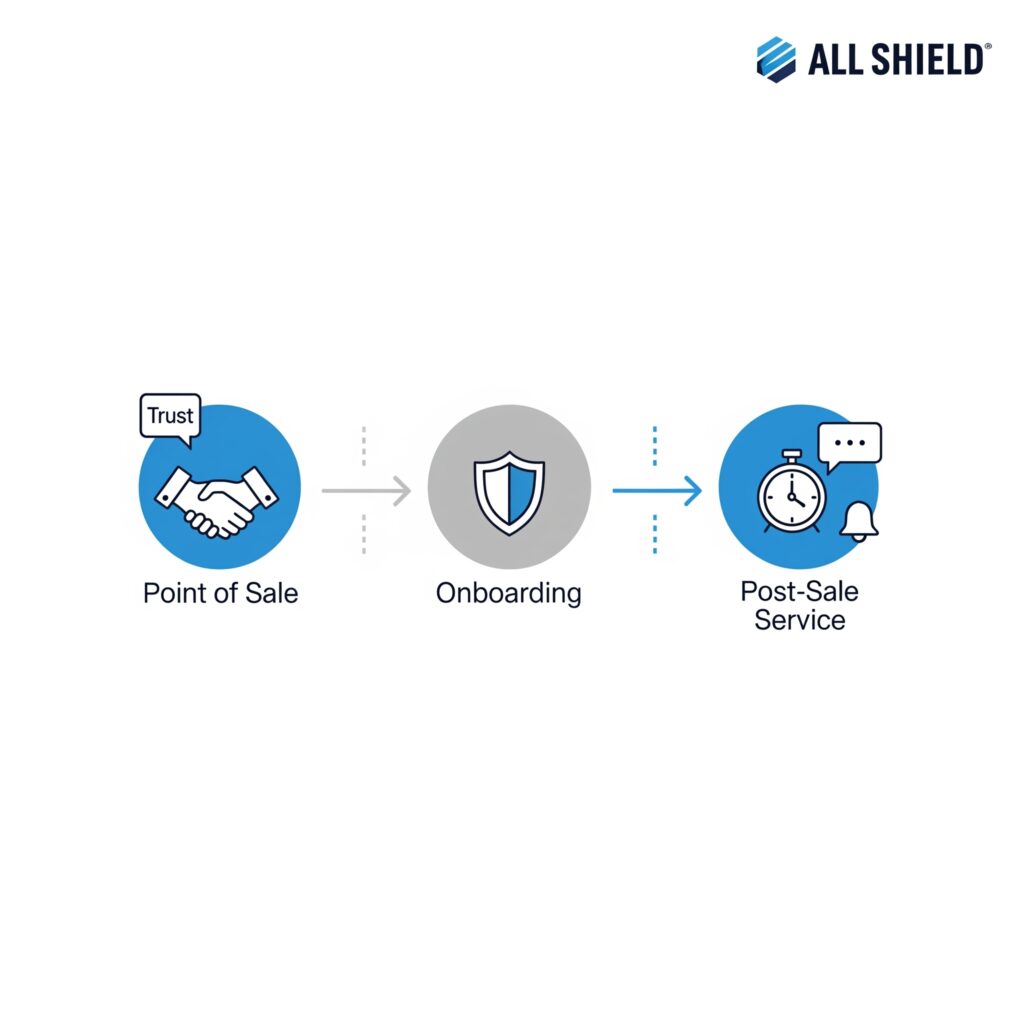
Embed Warranties Seamlessly at Point-of-Sale (POS & eComm)
-
Integrate through APIs at checkout
-
Offer clear, pre-selected options tied to common concerns
-
Align messaging with brand trust and product quality
Frame Offers in Ways That Activate Trust and Reduce Friction
Instead of selling warranties as extras, present them as:
-
“Included protection”
-
“Peace of mind from day one”
-
“Trusted coverage backed by [Retailer]”
This shifts perception from upsell to service.
Use Defaults and Anchors to Nudge Attachments Naturally
-
Default warranties into higher-value product options
-
Use social proof (“85% of customers choose protection”)
-
Highlight risk of non-coverage (“Without protection, out-of-pocket repairs may cost $1,200+”)
Case Studies: Behavioral Economics in Action for Retail
How Retailers Increased Warranty Attachments with Simpler Offers
A leading electronics retailer boosted warranty attach rates by 22% after moving from optional upsells to embedded defaults—powered by clear, trust-based messaging.
The Power of Language and Defaults on Checkout Behavior
When a home goods brand shifted from “Would you like to add protection?” to “Your purchase includes worry-free coverage,” conversions jumped without added incentives.
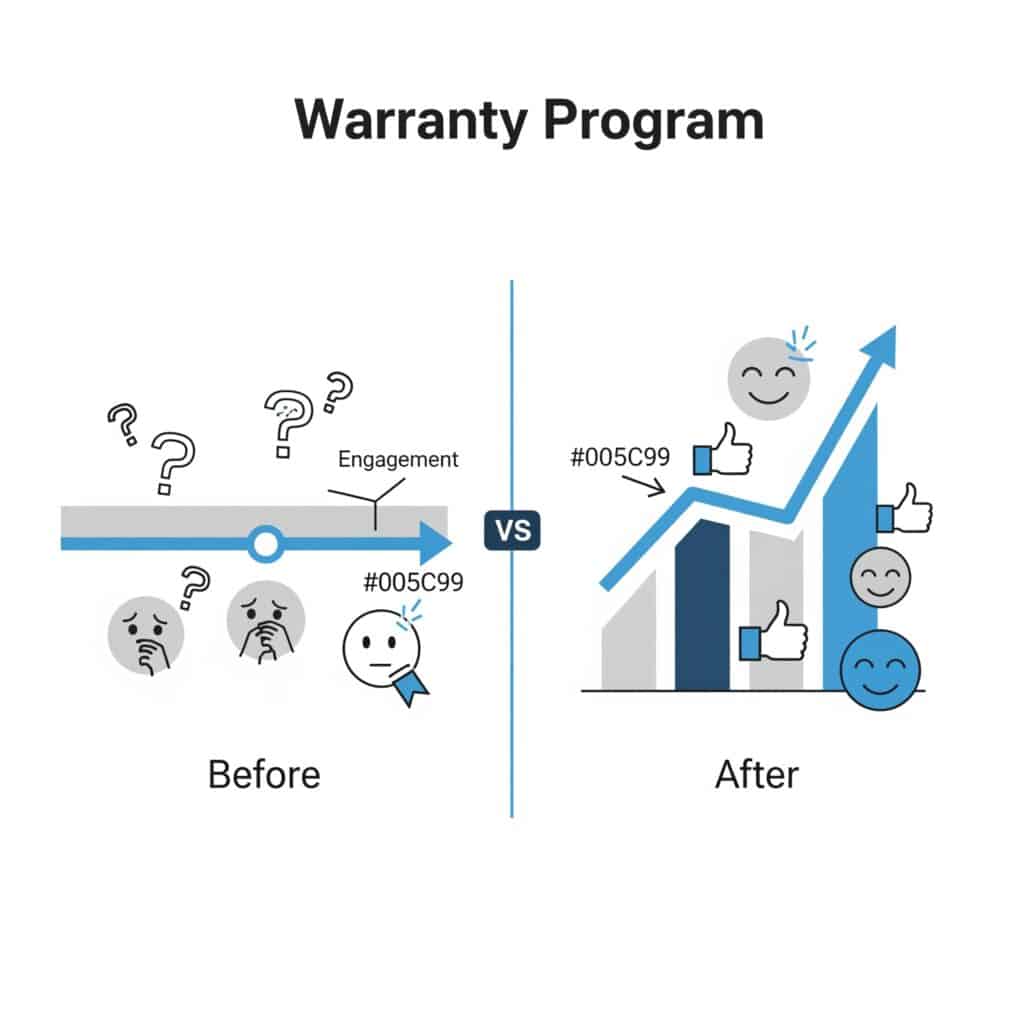
Proof Points: Impact on Margins, Loyalty, and CX Scores
-
Attachment Rates: +20-30%
-
Margin Growth: Higher due to reduced discounts
-
NPS Scores: Improved due to proactive, trusted experience
How All Shield Helps Retailers Apply Behavioral Economics to Warranty Strategy
API Integration for Seamless Warranty Attachments
Our API-first platform makes embedding warranty options simple—at POS, eCommerce, and CRM levels. Reduce friction, increase conversions.
Customized Journey Mapping to Reduce Friction
We help you design warranty offers aligned with customer journeys—leveraging behavioral science to increase LTV without adding pressure.
Data-Driven Insights for Optimizing Attach Rates
Track, test, and refine:
-
Placement
-
Language
-
Defaults
With dashboards that turn data into action.
Book your consultation to see how we can help you build warranty programs that improve loyalty, margins, and customer trust—no hard sell required.
Conclusion: Psychology Over Pressure—Warranties Can Sell Themselves
The smartest retailers aren’t pushing harder. They’re designing smarter—using behavioral economics to turn warranties into trust-building, margin-boosting assets that customers embrace. No gimmicks. No discounts. Just science-backed strategies aligned with how people make decisions.
Ready to Design a Warranty Program That Grows Margins Without Discounts?
Book Your Consultation and See How Behavioral Economics Can Boost Your Attach Rates and Loyalty.
Frequently Asked Questions
How does behavioral economics improve warranty sales?
It leverages psychology—loss aversion, defaults, simplicity—to make warranties feel like natural protection rather than a hard-sell upsell.
Can this really increase attach rates?
Yes. Case studies show improvements of 20-30% when behavioral insights are applied correctly at checkout.
Is this approach right for both in-store and online?
Absolutely. Behavioral design principles work in eCommerce, POS, and hybrid retail environments when integrated properly.