The Warranty Wake-Up Call: Why Standing Still Isn’t an Option
Imagine a customer facing a product malfunction, only to be met with a cumbersome, paper-based warranty process. In today’s fast-paced digital world, such experiences can erode trust and loyalty.
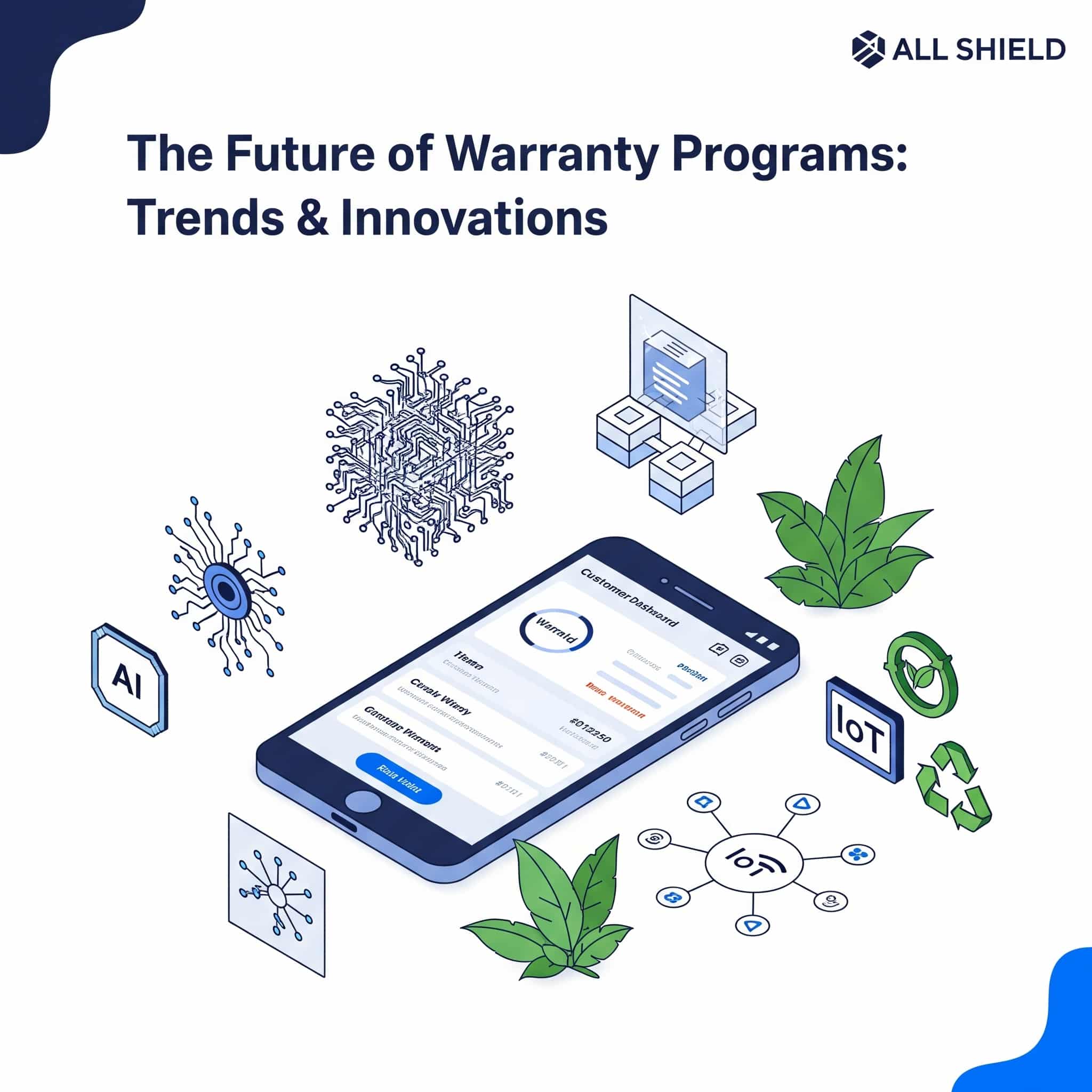
The future of warranty programs is unfolding rapidly, driven by technological advancements and shifting consumer expectations. To stay competitive, businesses must embrace innovation and adapt to these emerging trends.
🔮 Quick Summary: The Future Is Now
Warranty programs are evolving fast. Paper claims and generic policies won’t cut it in a world of AI, IoT, and sustainability-first customers. To stay relevant, providers must embrace:
- Digital platforms and self-serve claims tools
- Usage-based and personalized coverage models
- Blockchain-secured records and fraud protection
- IoT-powered predictive warranties
- Sustainability and right-to-repair compliance
Digital Transformation: Elevating Warranty Management
Traditional warranty systems are giving way to digital platforms that offer:
- Seamless Access: Customers can retrieve warranty information via mobile apps or online portals, enhancing convenience.
- Automated Processes: Streamlined claims processing reduces administrative burdens and accelerates resolutions.
- Data-Driven Insights: Analytics enable businesses to identify product issues proactively and improve quality.
Embracing digital transformation not only enhances customer satisfaction but also positions companies as forward-thinking leaders in their industry.
Personalization and Usage-Based Models: Tailoring to Individual Needs
Modern consumers seek warranty solutions that reflect their unique usage patterns. Personalized and usage-based warranties offer:
- Customized Coverage: Plans that align with individual usage habits and risk profiles.
- Fair Pricing: Customers pay for the coverage they need, enhancing perceived value.
- Increased Loyalty: Tailored plans foster stronger customer relationships and repeat business.
By adopting these models, businesses can better meet customer expectations and differentiate themselves in the marketplace.
IoT Integration: Proactive and Predictive Warranty Services
The Internet of Things (IoT) is revolutionizing warranty services by enabling:
- Real-Time Monitoring: Devices can detect issues early, prompting timely maintenance.
- Automated Claims: Instant verification and processing of warranty claims through connected devices.
- Product Improvement: Data collected informs enhancements in product design and functionality.
Integrating IoT into warranty programs not only improves efficiency but also enhances the overall customer experience.
Blockchain: Ensuring Transparency and Security
Blockchain technology offers robust solutions for warranty management by providing:
- Immutable Records: Tamper-proof documentation of warranty terms and transactions.
- Fraud Prevention: Secure data reduces the risk of fraudulent claims.
- Enhanced Trust: Transparent processes build customer confidence in warranty services.
Implementing blockchain can streamline operations and establish a trustworthy reputation in the industry.
💡 Why These Trends Matter for Customers
- 📱 Faster claims and better digital experiences
- 🔐 Transparent policies and secure records
- 💸 Fairer pricing with usage-based coverage
- 🌍 Greener warranties aligned with consumer values
🔗 Want loyalty? Start with smarter protection.
Sustainability and the Right to Repair: Aligning with Consumer Values
Environmental concerns and consumer rights movements are influencing warranty policies:
- Extended Product Lifecycles: Warranties that encourage repair over replacement support sustainability goals.
- Right to Repair: Legislation is promoting consumers’ rights to repair their products, impacting warranty terms and services.
- Corporate Responsibility: Companies are adopting eco-friendly practices in warranty services to meet consumer expectations.
By aligning warranty programs with these values, businesses can appeal to environmentally conscious consumers and comply with emerging regulations.
FAQs Section
📘 Frequently Asked Questions: Future of Warranty Programs
Q: How is AI transforming warranty programs?
A: AI helps automate claims, personalize offers, and detect failures before they occur.
Q: What are usage-based warranty plans?
A: These adjust coverage and pricing based on actual product use, offering fairer protection.
Q: How does blockchain improve warranty services?
A: It ensures secure, transparent, and immutable warranty records that reduce fraud.
Q: Why is the right to repair important in warranty programs?
A: It empowers consumers to fix their own products and supports sustainability goals.
Conclusion: Embracing the Future of Warranty Programs
The evolution of warranty programs is not just a trend—it’s a necessity. By integrating digital technologies, personalizing offerings, leveraging IoT and blockchain, and aligning with sustainability initiatives, businesses can enhance customer satisfaction and stay ahead in a competitive market.
Ready to transform your warranty offerings? Contact All Shield today to explore innovative solutions tailored to your business needs.